
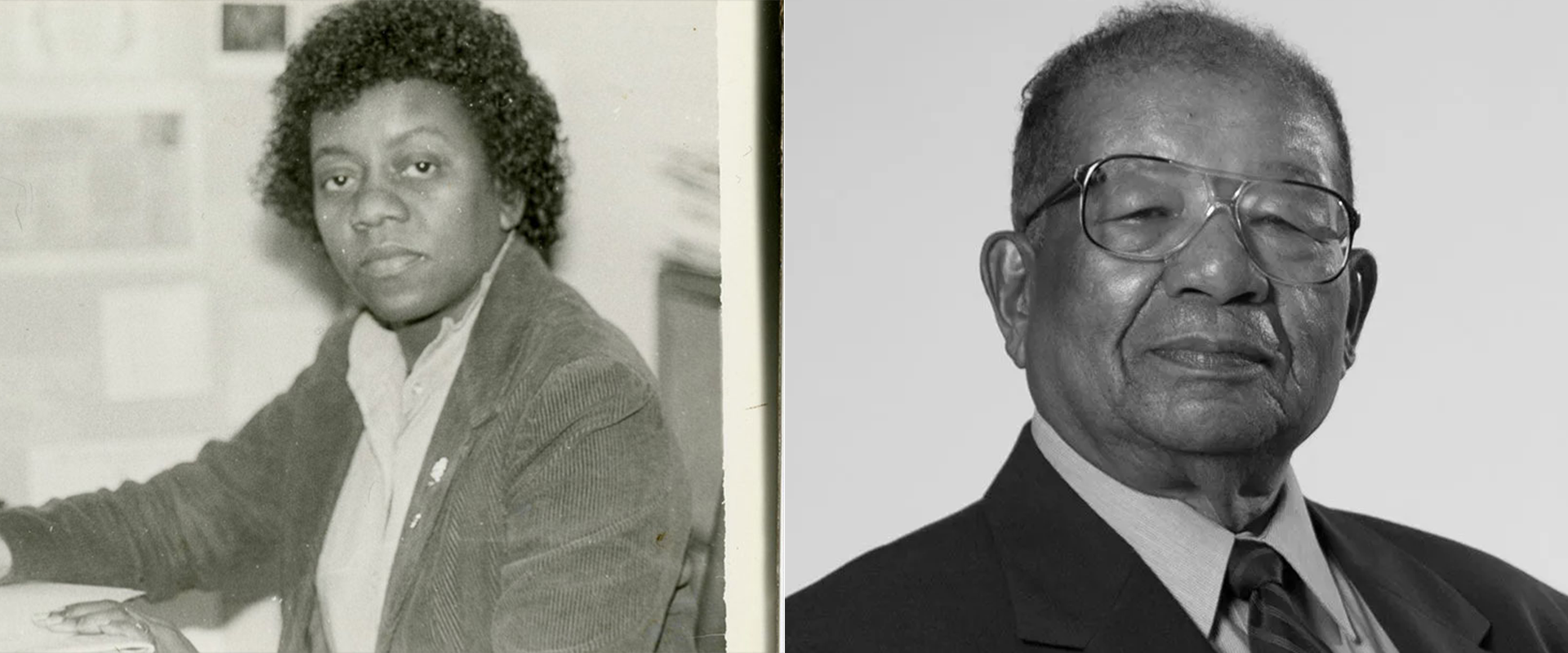
As Lynn Community Health Center honors Black History Month, we recognize two trailblazers whose work helped shape the foundation of community-based health care in the United States: Dr. L.C. Dorsey and Dr. John W. Hatch.
Long before community health centers became a national model, these leaders deeply understood that health could not be separated from the social, political, and economic conditions facing communities. Their work at the Delta Health Center in Mississippi helped establish an approach to care rooted in equity, community participation, and addressing the root causes of illness. These principles continue to guide Lynn Community Health Center today.
Dr. L.C. Dorsey: A Life of Advocacy and Action
Born in 1938 to tenant farmer parents in the Mississippi Delta, Dr. Lula C. “L.C.” Dorsey grew up facing deep poverty, racial discrimination, and limited access to education and health care. Despite these barriers, she became a powerful civil rights advocate and community leader.
In the 1960s, Dr. Dorsey worked alongside Fannie Lou Hamer through the Mississippi Freedom Democratic Party and helped families access early childhood education through the Head Start program. In 1966, she joined the staff of the Tufts-Delta Health Center, the nation’s first rural community health center, where she played a critical role in mobilizing community support and shaping programs that addressed health, nutrition, and economic stability.
Dr. Dorsey later served as director of the Delta Health Center and helped establish a farm cooperative that enabled hundreds of families to grow food and improve food security. While raising six children, she returned to school, earning her GED, a master’s degree, and a Ph.D. in Social Work. Her lifelong work focused on dismantling systems that limited opportunities for Black communities and advancing health equity.
Dr. John W. Hatch: Building Health Through Community Power
Dr. John W. Hatch is an organizer, educator, and co-founder of the Delta Health Center in Mound Bayou, Mississippi, one of the first community health centers in the country. Growing up in the Jim Crow South, Dr. Hatch witnessed firsthand the impact of racial discrimination and economic injustice on community health.
While studying sociology at Atlanta University during the Civil Rights Movement, Dr. Hatch was influenced by leaders who emphasized community empowerment and self-determination. His work later brought him to Boston, where he supported immigrant communities before joining Tufts University’s Department of Preventive Medicine and working alongside Dr. Jack Geiger.
At the Delta Health Center, Dr. Hatch emphasized community participation and governance, helping establish training programs that enabled residents to become health workers and leaders. This approach ensured that health centers were shaped and directed by the people they served. He later continued his career as a professor and public health leader, promoting health equity through education, faith-based initiatives, and community partnerships.
A Legacy Reflected at Lynn Community Health Center
The vision of Dr. Dorsey and Dr. Hatch lives on in community health centers across the nation. At Lynn Community Health Center, their legacy is reflected in a commitment to comprehensive, culturally responsive care; community engagement; and addressing the social factors that influence health.
As we honor Black History Month, we recognize that the work of these pioneers did more than transform health care. It created a model rooted in dignity, justice, and community power. Their leadership continues to inspire the mission and values that guide Lynn Community Health Center today.



 massmonopoly
 Find A Doctor
 Urgent Care
 Hours & Locations